


Net zero tycoons lash out at Britain’s power grid
Net zero tycoons lash out at Britain’s power grid

Jonathan LeakeWed, August 5, 2026 at 6:00 AM UTC
0
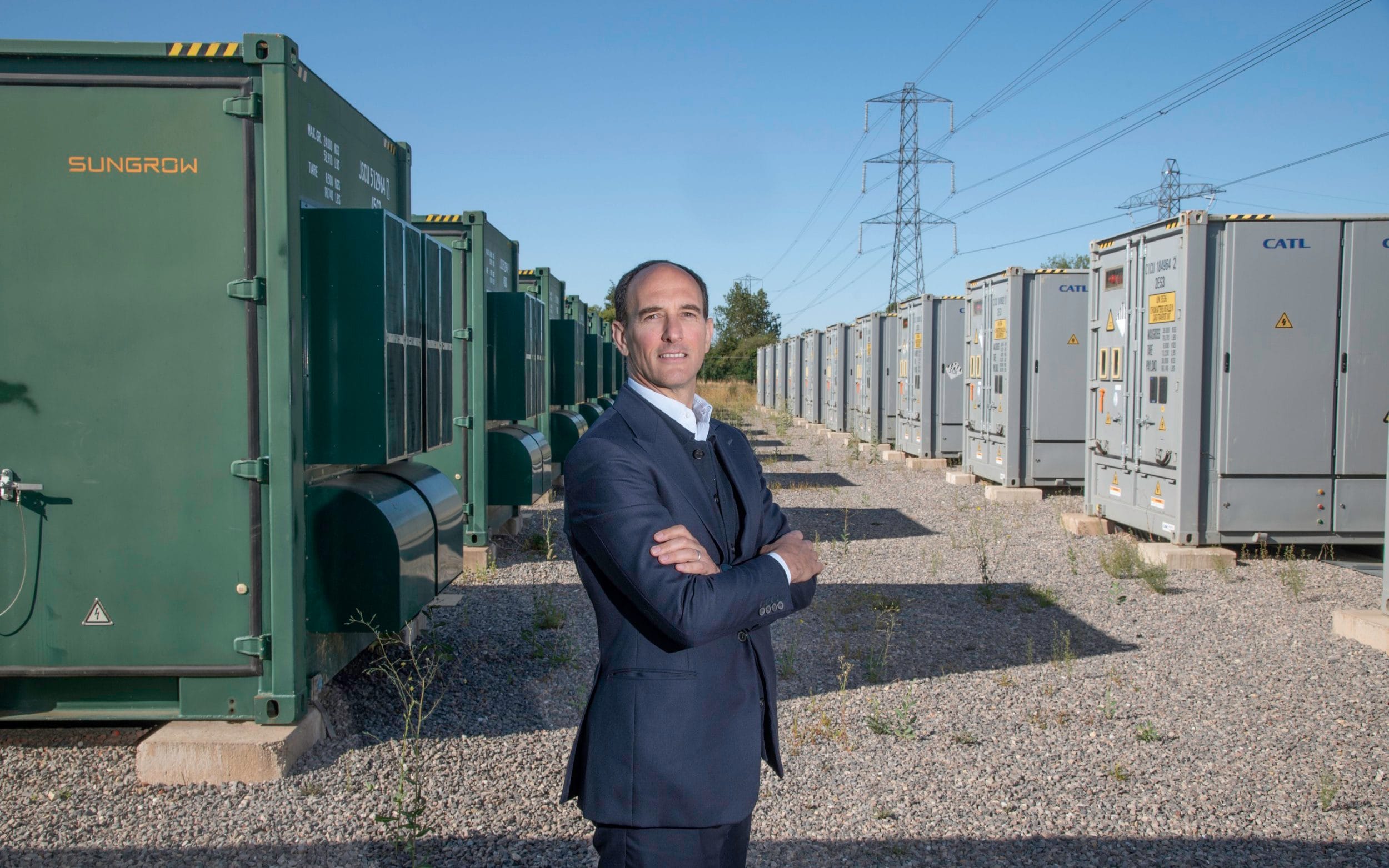
Ben Guest, the managing director of Gresham House Energy Storage, was warned that his company’s battery storage projects would take up to 13 years to secure a connection - Jay Williams for The Telegraph
Two net zero tycoons have criticised the National Energy System Operator (Neso) after being told their projects must wait more than a decade to be connected to the grid.
Chris Marsh, the chief executive of solar developer Enviromena, and Ben Guest, who runs grid battery specialist Gresham House Energy Storage, have been warned by Neso their projects would take up to 13 years to secure a connection.
Each has poured tens of millions of pounds into low-carbon developments based on promises of a rapid grid hook-up.
But a logjam of connection applications to Neso has stalled approvals, with Guest saying many of his battery storage projects were being given dates in the late 2030s.
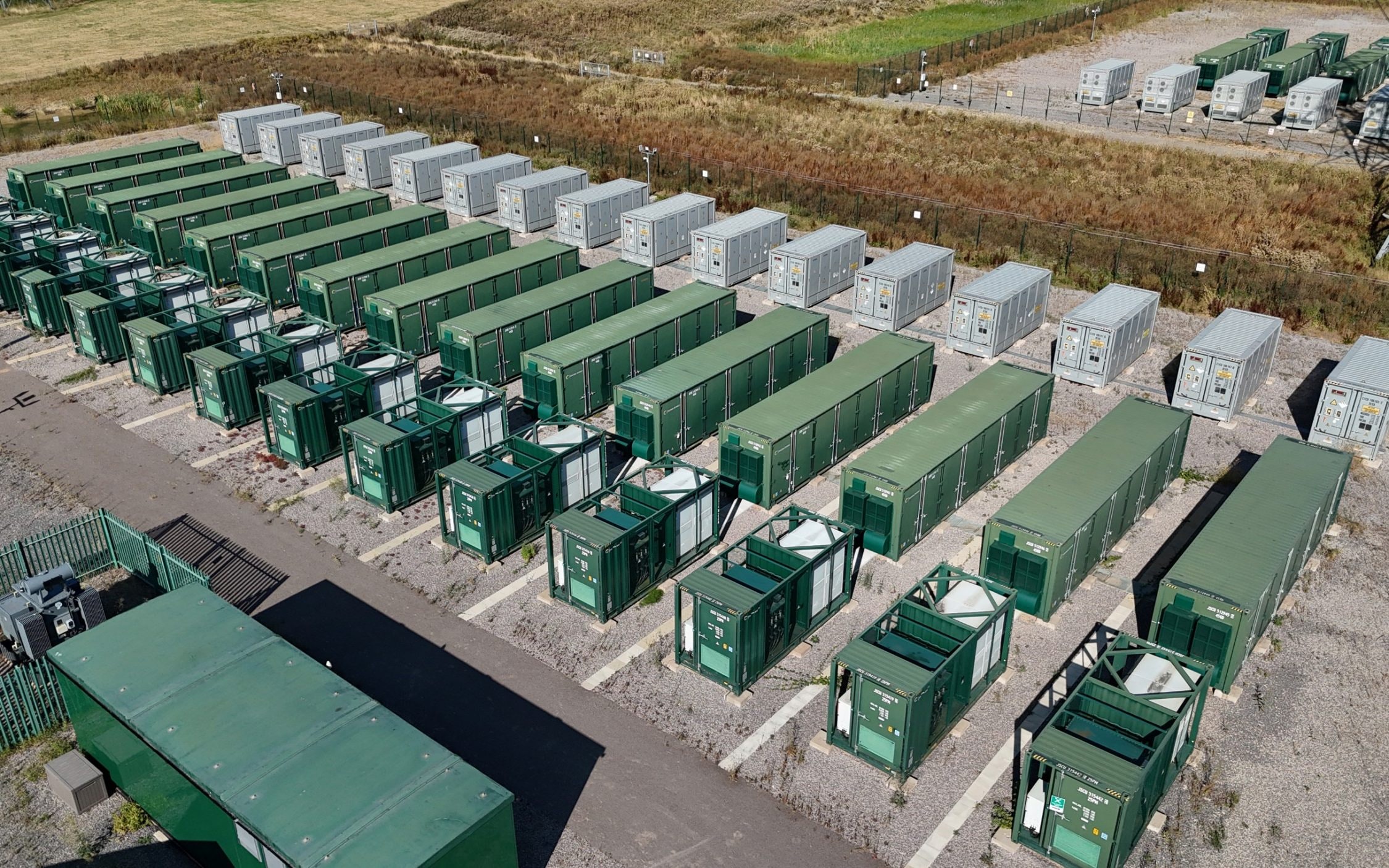
The National Energy System Operator has stalled Gresham House Energy Storage’s application for its battery storage projects - Jay Williams for The Telegraph
He says: “Connection dates into the late 2030s are a reality of the current system ... offers now range from the late 2020s through to 2035, and in a meaningful number of cases, beyond that. And it isn’t one or two projects – it’s across the industry.”
His warnings were backed by Marsh, who has two dozen solar plants and plans for another gigawatts-worth – much of which he can’t build.
“We are being offered connections in 2038 ... The frustration is everywhere,” he adds.
Their warnings follow a similar attack by Will Gardiner, the chief executive of the Drax Group, whose three new gas-fired power stations have waited three years for a grid connection.
Two were left idle even as June’s extreme temperatures left Neso begging France for power to keep the UK’s lights on.
Neso has been under fire in recent weeks because of claims that its staff were involved in a cover-up of blackout risks.
The organisation has hired an independent law firm to investigate the allegations, after Claire Coutinho, the shadow energy secretary, claimed staff were told not to leave a paper trail about attempts to stabilise the grid during June’s heatwave.
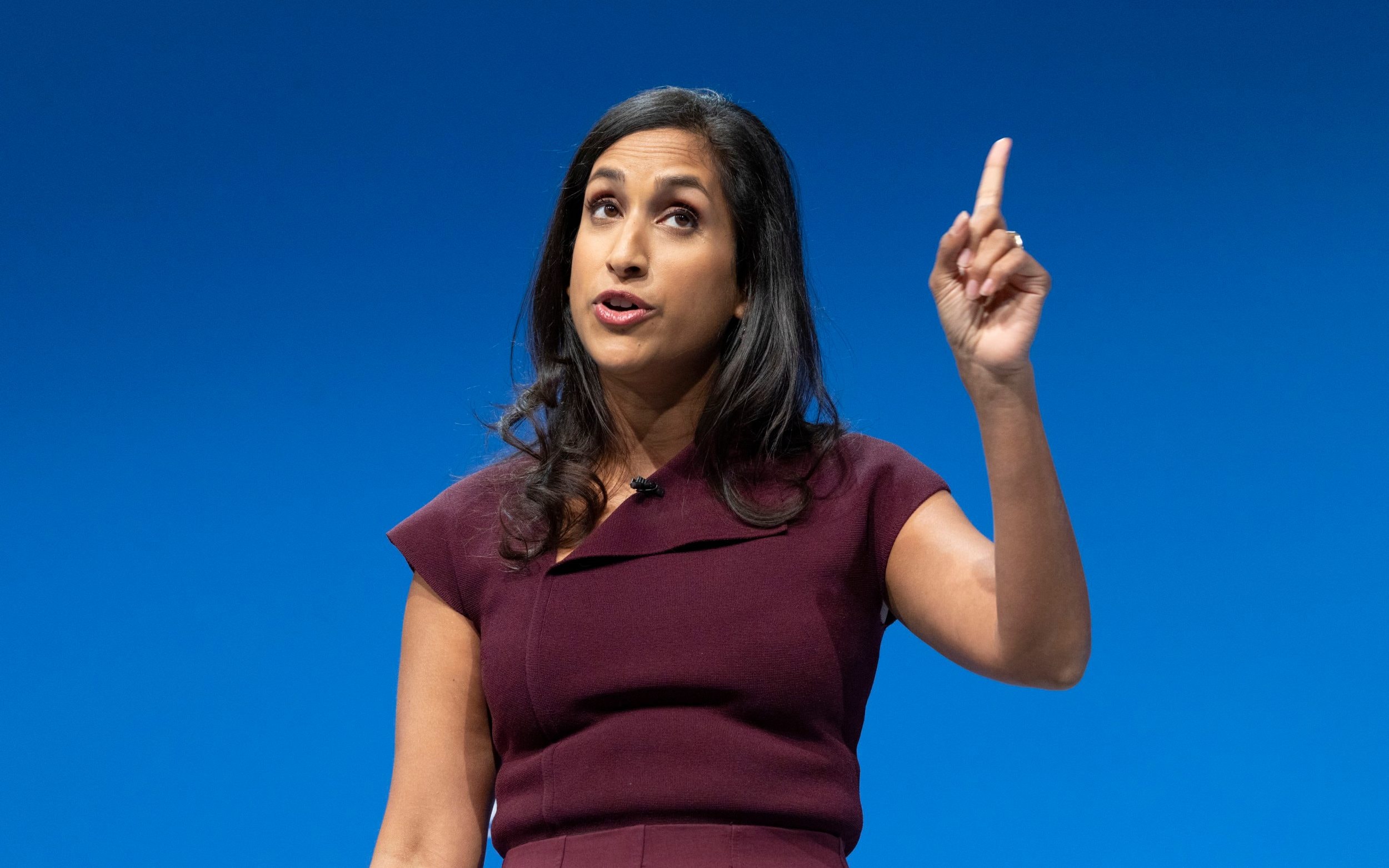
Claire Coutinho, the shadow energy secretary, has accused the National Energy System Operator of lying to ministers and misleading the public about blackout risks - Nicola Tree/Getty Images
But the approval logjam raises questions about how Britain could end up with such a long delay in connecting renewable projects – especially when the UK has been begging developers to build more low-carbon infrastructure.
Guest says the problem of connection delays went back years as successive governments offered ever greater subsidies to developers building new renewables.
The aim was good, but, he says, the organisation was terrible.
It meant developers drew up plans for thousands of new renewable projects and swamped the system with connection requests.
‘Connection delays of over a decade’
But none of the 11 energy secretaries who have held office since 2010 worked out an organised way to assess and connect all those low-carbon projects.
Their legacy is a logjam that has paralysed the system for connecting new assets – and which could now scupper Britain’s plans for clean power by 2030 – or even 2035.
Guest says: “The queue became hugely oversubscribed, with more than 700 gigawatt (GW) of projects waiting for connections, but the country only needs a fraction of that to meet its clean power targets.
“Neso’s response was to pause acceptances and review every single connection offer in the queue to see if it was genuine or speculation. The time that has taken means we now have connection delays of over a decade.”
For companies such as Gresham, which are funding and building the UK’s future power networks, the crisis goes beyond just delays and deep into its finances.
But it is also set to hit energy bills. The value of batteries lies in their ability to soak up power when it’s plentiful, such as on windy days, and then release it when the wind slumps or demand soars.
It means batteries can buffer the peaks and troughs of power generation in a system increasingly dominated by renewables – keeping overall prices down.
Advertisement
Their deployment is estimated to have saved £188m on power bills in the last 18 months and, unlike solar and wind, they need no subsidies.
Ed Miliband, the former energy secretary, wanted Britain’s battery power to increase from its current 7GW capacity to 35GW by 2050 – a seven-fold increase.
But with Neso in charge, warns Guest, that’s just wishful thinking.
For solar developers such as Enviromena, the dynamics are different but the problem is the same.
Labour wants solar capacity to increase from 20GW now to more than 100GW by 2050, but its own connection system is stopping that happening.
Marsh has spent tens of millions gaining the land and planning permission to double the 300 megawatts (MW) he already has, but he faces years of waiting to recoup his costs.
“We have an additional 300MW that is fully consented and ready to build, but we don’t have the grid connections for at least five years, and that’s holding up roughly £150m,” he says.
Perhaps ironically one of the Enviromena projects being held up by both planning and connection issues lies in Doncaster North, the constituency of Miliband – who oversaw the creation of Neso in 2024.
“We have even emailed Fintan Slye, the chief executive of Neso, but we don’t get any response – they aren’t listening to us. And there are millions of pounds at stake. Just getting a project to the point where we can seek a connection costs £500,000,” Marsh adds.
The Department for Energy Security and Net Zero, now overseen by Miatta Fahnbulleh, says its reforms will save money but admits to the delays. “We are actively working with Neso Ofgem and network companies to prevent any further delays.”
Neso said the system it inherited when it was set up in 2025 was “unfit for purpose” and took time to unravel. “We are prioritising projects that are ready to progress and strategically needed for Great Britain’s future energy needs.”
But for generators, however, the key question is how Fahnbulleh’s predecessors as energy secretary allowed such a chaotic situation to develop in the first place.
Entrepreneurs such as Guest and Marsh point out that energy projects take years of planning and include complex engineering and financing – so they can only succeed if politicians are consistent in policy.
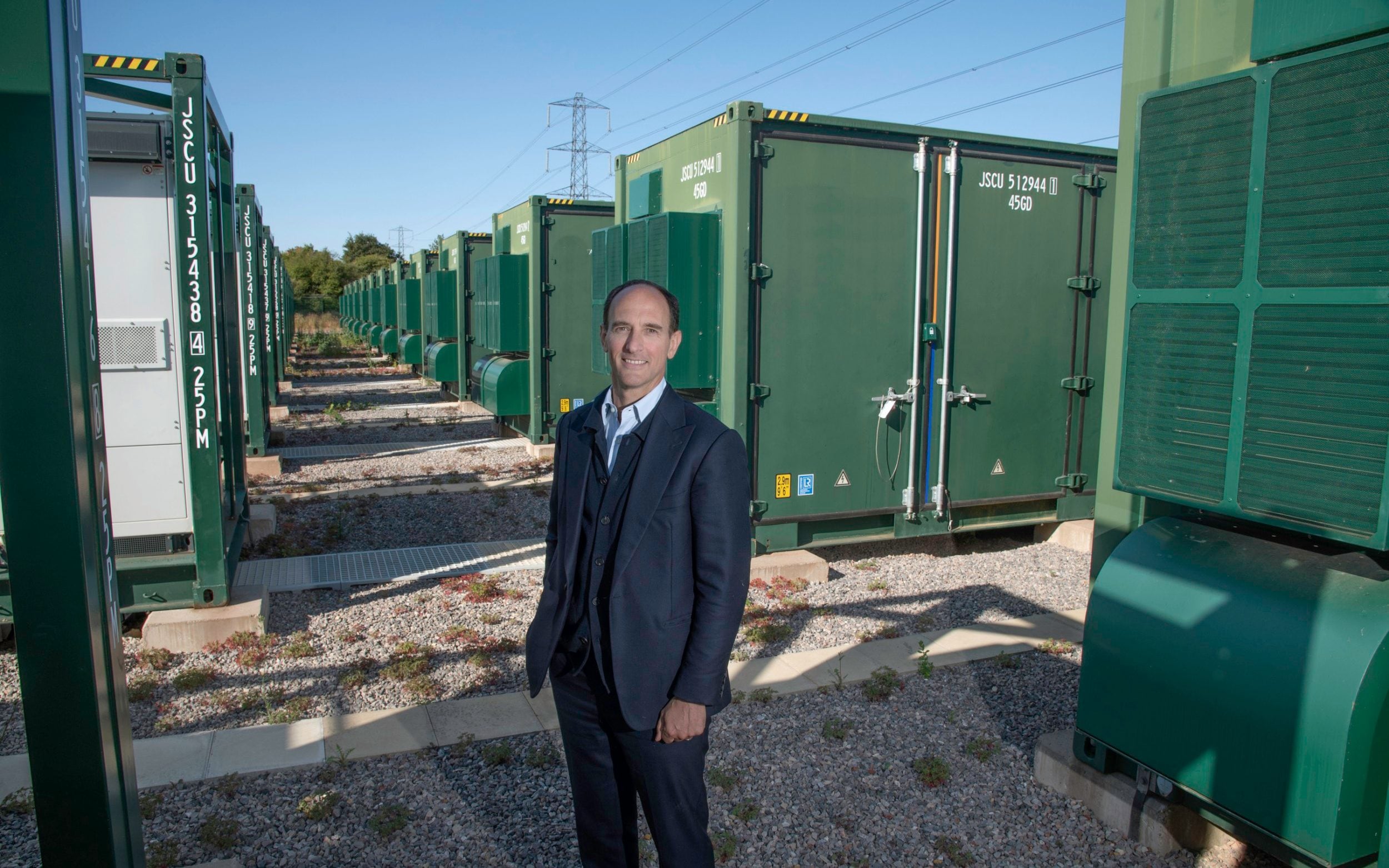
Ben Guest says the problem of connection delays went back years - Jay Williams for The Telegraph
However, in the 14 years of the Conservative and coalition governments the energy secretary post changed hands 10 times. Andrea Leadsom was in post for just six months and Jacob Rees-Mogg for just a few weeks.
Opponents trace much of the current connection chaos directly back to the swings in policy-making and implementation that went with such inconstancy.
Under Labour, in power for just two years, there have already been two more energy secretaries.
Regulator Ofgem has been overseeing the UK’s energy networks for the last 25 years, and so is widely regarded as another of the architects of the current chaos.
But it is now also in the strange position of threatening others with fines if they fail to put it right.
A spokesman said: “We have introduced tough new incentives to hold network companies to account, including financial penalties where they fail to deliver timely connections.”
Few in the trade believe that will be enough.
Solar Energy UK, RenewableUK and Scottish Renewables wrote to regulator Ofgem in June about the “increasingly critical issue surrounding grid connection offers and the severe implications this is having for renewable energy development across the UK.”
But for Marsh, the buck stops with Neso.
“Neso holds all the strings, but they aren’t talking to us,” he says.
Source: “AOL Money”
